
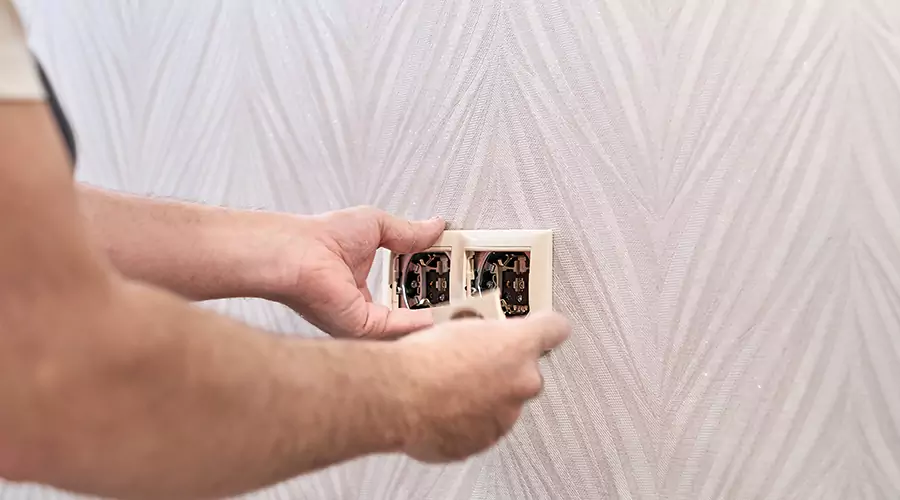
A non working outlet usually means a tripped breaker a tripped GFCI loose wiring or a damaged receptacle. These issues stop power flow and can affect a single outlet or part of a circuit. You can check the breaker panel and nearby GFCI outlets first. If power does not return the outlet may need repair or replacement. A licensed electrician can diagnose the cause and fix it safely to restore power.
Start With the Most Common Causes First
Most outlet failures come from simple issues that are easy to check. A tripped breaker cuts power to protect the circuit from overload.
A GFCI outlet may also trip and shut off power to other outlets on the same line. Resetting these devices often restores power quickly.
Check Your Breaker Panel for a Tripped Circuit
A circuit breaker shuts off when it detects overload or a short. This prevents overheating and reduces fire risk.
Open the panel and look for a breaker that is not fully in the on position. Resetting the breaker may restore power to the outlet.
Signs a Breaker Caused the Issue
- Outlet stopped working suddenly
- Multiple outlets lost power
- Breaker appears out of position
- Reset restores power briefly
If the breaker trips again there may be a deeper issue.
Look for a Tripped GFCI Outlet Nearby
A GFCI outlet protects against electrical shock in wet areas. Kitchens bathrooms and garages often use these outlets.
One GFCI outlet can control several standard outlets downstream. Press the reset button to restore power if it has tripped.
How to Identify a GFCI Issue
- Outlet near water source
- Reset button is popped out
- Nearby outlets also stopped working
- Power returns after reset
If the GFCI keeps tripping it may need replacement.
Loose Wiring Behind the Outlet
Wires can loosen over time due to heat and usage. A loose connection interrupts electrical flow.
This issue often causes intermittent power or a completely dead outlet. It can also create heat which increases fire risk.
An electrician can open the outlet box and secure the connections. This restores proper power flow.
Worn or Damaged Outlet Receptacle
Outlets wear out after years of use. Internal contacts may lose tension which prevents a secure connection.
A damaged outlet may not hold plugs firmly. It may also show discoloration or signs of heat damage.
Replacing the outlet resolves this issue. Modern outlets provide better contact and improved safety.
Backstab Wiring Problems in Older Outlets
Some older outlets use backstab connections instead of screw terminals. These connections are prone to failure over time.
Loose backstab connections can cause power loss or intermittent operation. Electricians often move wires to screw terminals for a more secure connection.
This small change improves reliability and reduces future issues.
Tripped AFCI Breaker or Hidden Fault
An AFCI breaker detects arc faults that can cause fires. It shuts off power when it senses unsafe conditions.
If an AFCI breaker trips it may indicate damaged wiring or a faulty device. Resetting the breaker may restore power temporarily.
Repeated trips require professional inspection. An electrician can identify the exact cause and fix it safely.
Damaged Wiring Inside the Wall
Wiring can become damaged due to age or pests or physical stress. This damage interrupts the electrical path.
A broken wire may cause a dead outlet while others still work. This issue requires professional repair since it is hidden behind walls.
Electricians use testing tools to locate the fault and replace the damaged section.
Burned or Overheated Connections
Overloaded circuits can cause connections to overheat. Heat damages wires and outlet components.
Burn marks or melted plastic indicate serious issues. This condition increases fire risk and requires immediate attention.
An electrician will replace damaged parts and check the circuit load to prevent recurrence.
Outlet Controlled by a Wall Switch
Some outlets are connected to a wall switch. If the switch is off the outlet will not have power.
This setup is common in living rooms and bedrooms. Turning the switch on may restore power instantly.
Testing nearby switches can help identify this simple cause.
Electrical Issue Summary and Fixes
| Problem | Cause | Fix |
|---|---|---|
| Tripped breaker | Overload | Reset breaker |
| Tripped GFCI | Ground fault | Press reset button |
| Loose wiring | Connection failure | Tighten connections |
| Worn outlet | Internal damage | Replace outlet |
| Backstab failure | Loose contact | Move to screw terminals |
| Damaged wiring | Broken conductor | Repair wiring |
This table outlines common problems and their solutions.
How Electricians Diagnose a Dead Outlet
An electrician begins with a voltage test at the outlet. This determines if power is reaching the box.
Next the breaker and GFCI devices are checked. The electrician may open the outlet to inspect wiring connections.
If needed advanced tools trace wiring faults inside walls. This process ensures accurate diagnosis and proper repair.
Why DIY Fixes Can Be Risky
Working with electrical systems carries safety risks. Incorrect repairs can lead to shock or fire hazards.
Improper wiring may also violate electrical code. This can create problems during home inspections or insurance claims.
A licensed electrician ensures safe repairs and proper installation. This protects both your home and your safety.
Understanding Electrical Outlet Repair
Electrical outlet repair helps restore safe and reliable power when outlets stop working, become loose, or show signs of damage. The process begins with an inspection to identify the cause of the problem, which may involve wiring issues, faulty connections, worn outlets, or circuit-related faults.
After the cause is identified, the affected outlet and its connections are repaired or replaced as needed. Repairs are completed according to current electrical code requirements, followed by testing to verify proper operation, secure connections, and safe electrical performance.
What to Expect During Outlet Repair
- Full outlet and circuit inspection
- Accurate identification of the issue
- Safe repair or replacement
- Code compliant workmanship
- Final testing for proper operation
This service restores power and ensures long term reliability.
When to Replace Instead of Repair
An outlet should be replaced if it shows signs of damage or wear. Burn marks or loose plugs indicate failure.
Older outlets without grounding should also be upgraded. Replacement improves safety and supports modern devices.
An electrician can recommend the best option based on condition.
Preventing Outlet Problems in the Future
Avoid overloading outlets with high power devices. Use dedicated circuits for large appliances.
Check outlets for heat or looseness during regular use. Replace damaged components early to prevent larger issues.
Routine inspections help keep your electrical system in good condition.
Final Thoughts on Fixing a Non Working Outlet
A non working outlet usually has a clear cause that can be identified with basic checks. Breakers and GFCI outlets are the most common reasons.
More complex issues involve wiring or internal damage. Professional repair ensures the problem is fixed safely.
Taking quick action restores power and prevents potential hazards in your home.